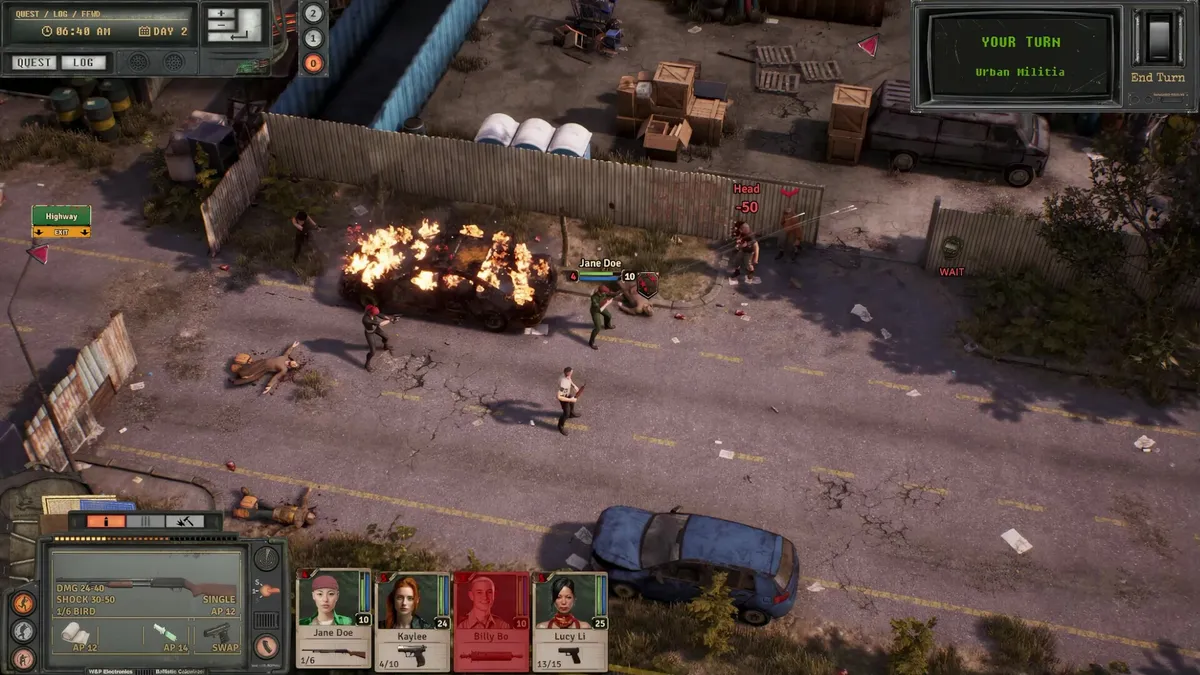
Urban Strife is a demanding turn-based survival tactics RPG, and its opening hours throw a lot at you at once: real ballistic combat, permadeath survivors, a base to rebuild and three factions pulling you in different directions. This Urban Strife beginner guide walks through what the game is, what to prioritise first, and the early mistakes that most often cost new players a survivor or a whole run, so you can start your first campaign on the front foot rather than learning every rule the hard way.
What Urban Strife is
Urban Strife is an isometric, old-school turn-based tactics RPG set in a zombie-apocalypse American South, roughly two years into a viral pandemic. You play a CDC evacuee who is pulled out of the wreckage by the survivors of Urban Shelter, a fragile community you then have to lead. The loop of Urban Strife alternates between tactical missions out in the county and management back at the shelter, and both halves feed each other: gear and recruits you bring home make the base stronger, and the base makes your squad better equipped for the next mission.
What sets Urban Strife apart from most tactics games is that combat is built on a real ballistic simulation rather than abstract hit rolls, and that your survivors are permanent. Lose one in the field and they are gone for the rest of the campaign. Because of that, Urban Strife rewards patience, scouting and careful positioning far more than aggression. Treat it as a game of preparation, not reflexes, and the early hours become much more manageable.
Your first hours
Your first goal in Urban Strife is simply to understand the shelter and your starting squad. Kaylee Adams, Lucy Li and Billy Bo Hicks join you from the opening mission, so learn what each does before you push into a fight: Kaylee is a natural sharpshooter, Lucy is your medic, and Billy fills out the early line. Explore Urban Shelter, talk to its residents, and note which rooms are broken and waiting to be rebuilt, because reopening them is how the base grows.
Early missions in Urban Strife hand you the prologue suburbs, which are the safest place to learn the systems. Scavenge everything, since resources on a map do not respawn once you clear it, and haul back scrap, food and water for the shelter. Keep every fight small and deliberate, retreat when a situation turns, and save often. The early game is where Urban Strife teaches you its rules cheaply, so spend the time learning rather than rushing the story.
Combat basics to learn first
Combat in Urban Strife runs on action points: every move, shot and reload spends from a pool, and you can mix them in any order. The first habit to build is using cover correctly. Cover in Urban Strife depends on the material, thickness and angle of what you hide behind, so an engine block stops rifle rounds while a wooden fence does not. Flank enemies out of cover instead of trading shots with a protected target.
The second habit is aiming for the head. Ordinary zombies in Urban Strife only take real damage from head hits, so switch to single-fire mode and target the head to drop them in one turn. Set survivors to overwatch when you expect enemies to move, use suppressed weapons and stealth to thin a group before it notices you, and remember that bullets follow real trajectories, which means your own survivors can be hit if they stand in a firing lane. Positioning is the whole game in Urban Strife combat.
Keeping the shelter alive
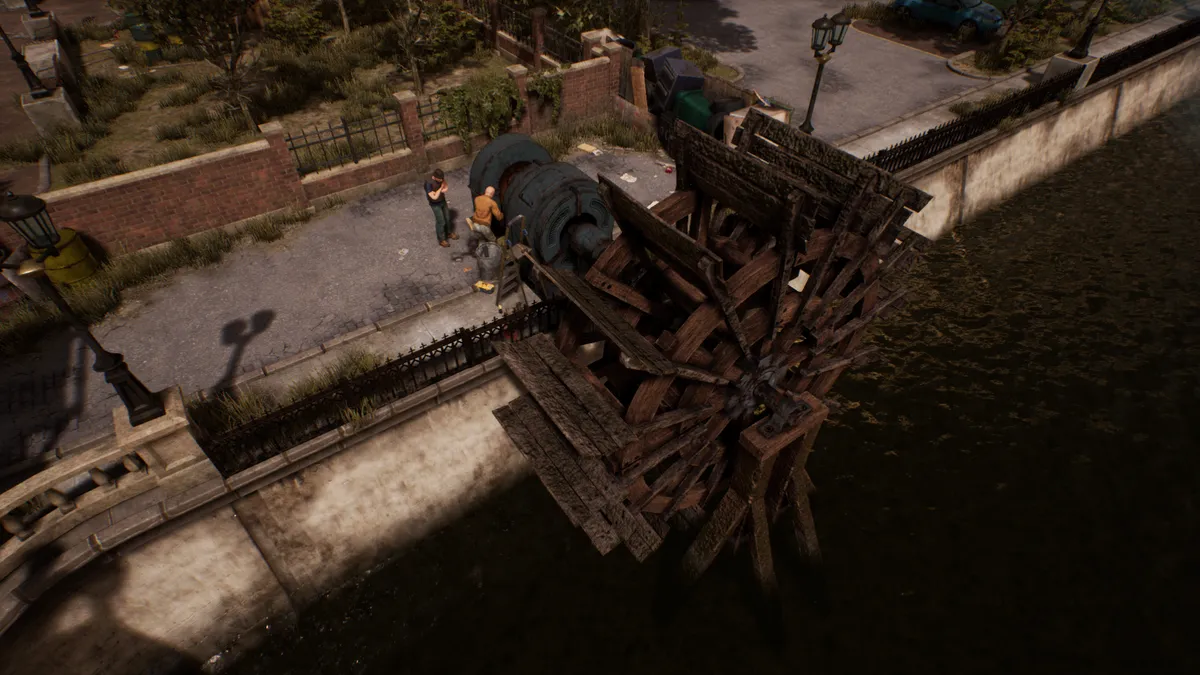
Urban Shelter is the heart of Urban Strife, and if it falls the campaign ends, so managing it is not optional. Water is described as the single most important resource, so prioritise a clean water supply early, then food, medicine and morale. Assign survivors with the right professions to the rooms you reopen, whether that is a garden, a workshop, a hospital or a rat farm, and watch the population grow because more mouths need more supplies.
Rebuilding is a slow, deliberate project in Urban Strife, not something you finish in an afternoon. Spend scavenged materials on the upgrades that address your weakest meter first rather than the flashiest room. A stable shelter with clean water, steady food and a working hospital lets you absorb the losses and infections that the campaign will throw at you. Everything you build in Urban Strife also matters for the endgame, when the base itself comes under siege.
Recruits and choosing a faction
Beyond your starting three, Urban Strife has nine more named survivors to recruit across the suburbs and the Act 1 maps, for twelve in total. Each has a role and a faction tie, and because they are permadeath, every recruit is worth protecting. Bring new survivors home, give them jobs at the shelter, and steer their attributes by how you use them, since Urban Strife has no experience bar and skills grow through action.
The biggest early decision in Urban Strife is which of the three factions to back: the Cult of Second Chance, the Shady Lady Bikers or the Rogue Army Garrison. You collect ally votes by siding with a bloc's groups, and reaching four votes with one turns the other two hostile. Each alliance unlocks unique blueprints, a shelter upgrade and certain recruits, so read the faction guide, pick a direction that fits your playstyle, and commit before the campaign forces the issue.
Beginner mistakes to avoid
The most common early mistake in Urban Strife is playing it like a fast shooter. Rushing into the open, firing on full burst and ignoring cover gets survivors bitten, and a bitten survivor who dies rises as a zombie against you on the next turn. Move one character at a time, keep overwatch up, and never leave a downed survivor within reach of the undead. A second mistake is hoarding materials instead of spending them, which leaves the shelter weak when it matters.
Other traps to avoid: spreading favours across all three factions so none ever locks in, neglecting water until the community panics, and selling gear you will want for the final siege. Urban Strife respects preparation, so save before risky fights, treat infection promptly at the shelter, and think a few missions ahead. Play the early game of Urban Strife carefully and the harder middle chapters become a challenge you can plan for rather than a wall.