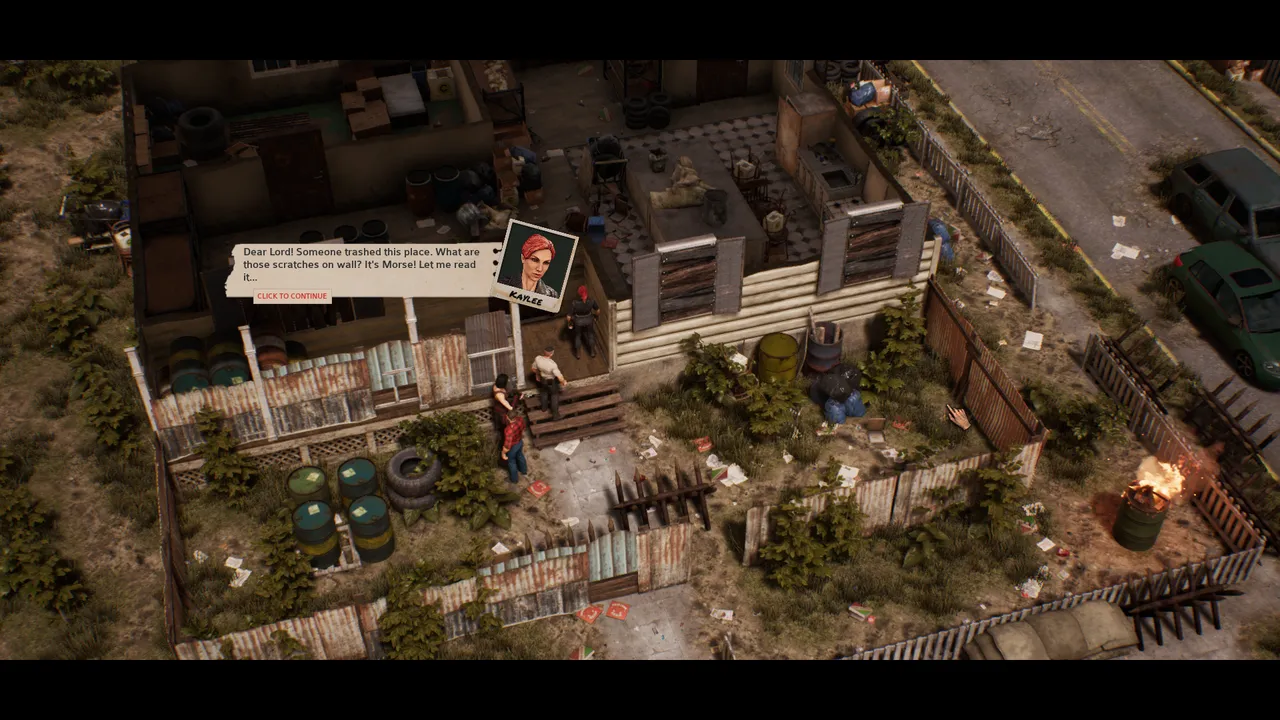
A quick reference to the recurring terms, systems and factions in Urban Strife, from tactical mechanics to the groups that run the county. This Urban Strife glossary groups the recurring terms by theme — combat, the undead, factions and base systems — so you can look up a single mechanic quickly or read straight through to get your bearings. Many of these terms are unusual for a tactics game, from a simulated ballistic model to a bespoke horde turn, so a quick reference helps before you start on the deeper guides.
Combat terms
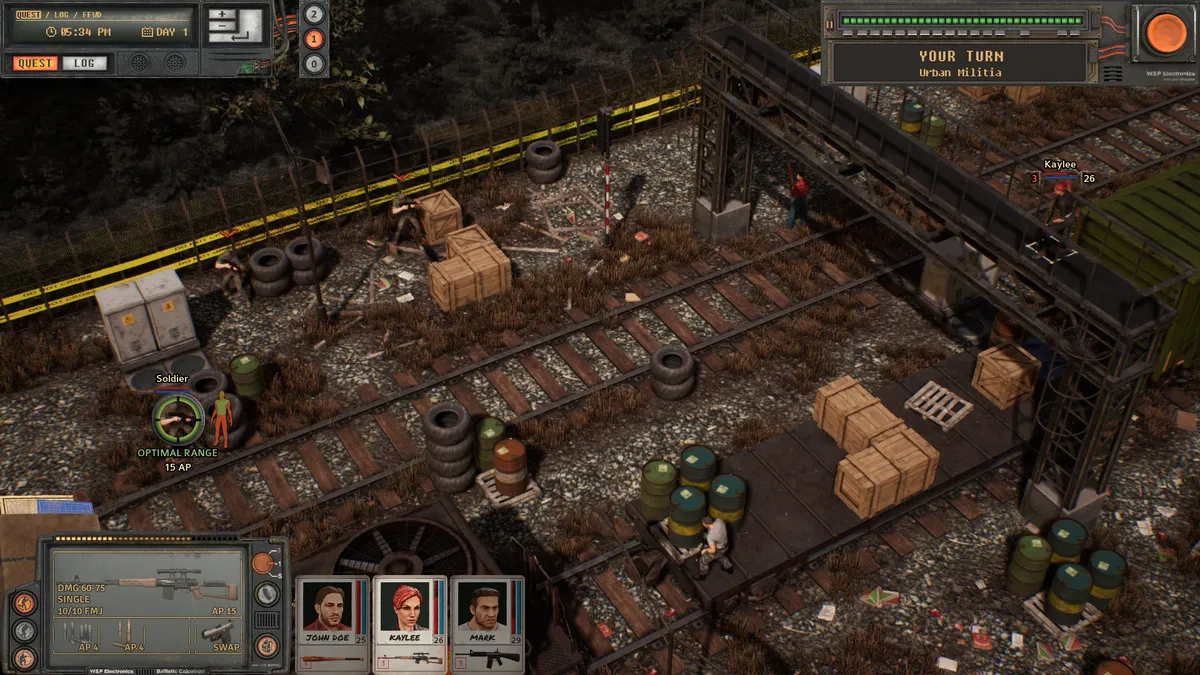
Most of the vocabulary you meet in Urban Strife comes from its tactical layer. These are the terms that describe how a turn is spent, how shots are resolved and how you control a fight. Understanding them makes the combat guide far easier to follow.
- Action points (AP)
- The budget each survivor spends to move, shoot, use items and take cover during their turn. Agility raises movement AP, and injuries and low stamina reduce the pool.
- Overwatch
- A stance that lets a survivor fire automatically at enemies who move into their line of sight during the enemy phase, punishing anyone who crosses open ground.
- Interrupt
- A reaction that lets a character act during the enemy's turn, driven by Agility and skill, adding a layer of timing to positioning.
- Ballistic simulation
- The system that gives every bullet, shotgun pellet and grenade fragment its own trajectory, so shots can penetrate cover, pass through walls or hit multiple targets in a line.
- Body-part targeting
- Aiming at the head, arms, chest or legs, available in single-fire mode. Hit chance is shown as green-to-red shading rather than a percentage.
- Stamina
- A secondary pool set by Strength and Endurance that melee attacks and dodges draw on. When stamina runs low, a survivor tires and their effectiveness in close combat drops.
- Fog of war
- The limited-vision system. A dynamic day-night cycle shrinks sightlines after dark, and the interface shows each enemy's view and hearing ranges so you can plan a route that stays unseen.
Undead and threats
The enemies of Urban Strife have their own language, from the way hordes take their turns to the mechanics that can turn your own survivors against you. These terms cover the undead and the dangers that come with them.
- Horde phase
- A dedicated simultaneous turn in which every zombie in a horde moves at once, while each undead still decides for itself based on what it sees and hears.
- Atlanta Horde
- The massive wave of undead that has pursued you since your evacuation from Atlanta, and the force behind the campaign's final siege on Urban Shelter.
- Armored zombie
- An undead that turned while wearing body armor and cannot be dropped with a single headshot, forcing you to break its protection or use heavier fire.
- Permadeath
- The rule that a survivor lost in combat is gone for good and cannot be revived, making every recruit and every fight consequential.
- Infection
- The condition a survivor carries after surviving a bite. It lasts several days and must be treated at the shelter, since there is no instant cure.
Factions and reputation
The living side of Urban Strife runs on politics. These terms name the three blocs you can ally with and the reputation system that decides which one stands with you and which two become enemies.
- Cult of Second Chance
- A forest doomsday cult that worships the undead as children of God. One of the three factions you can ally with.
- Shady Lady Bikers
- The outlaw biker charter that runs the black market and the wartime economy. One of the three alliance choices you weigh mid-campaign.
- Rogue Army Garrison
- The mutinied military unit that holds the county's best hardware, also labelled the National Guard. The third of the factions you can pledge your shelter to.
- Alliance votes
- The reputation votes you collect from a faction's gangs. Reaching four ally votes with one bloc locks you in and turns the other two hostile.
- Representative
- The faction agent who settles at Urban Shelter once you commit to an alliance, running that faction's shop or services and building its exclusive upgrade room.
- Blueprint
- A crafting recipe. Many blueprints are unlocked by backing a faction, and the rarest are held by a faction's boss rather than handed out freely.
Base and systems
Back at home, Urban Strife has its own set of systems for building, crafting and preparing for the end. These terms cover Urban Shelter, its crafting interface and the readouts that tell you how prepared you are.
- Urban Shelter
- Your home base and community of survivors. You rebuild, defend and upgrade it, and if it falls the game ends.
- Industry tab
- The single crafting interface where you place orders at the shelter's workshops, spending stored materials and special components over time.
- Defense Tracker
- The shelter overview readout that scores your readiness before the final siege, reflecting your fortifications, supplies, allies and upgrades.
- Dum-dum ammo
- Craftable rounds meant to help stop the hordes, one of several special ammunition types you can produce.
- Scavenging
- Gathering resources from a map. Loot does not respawn once a location is cleared, so each map is a one-time supply run, and scavenging stops entirely during the final siege.
- Profession
- A survivor's background job. Professions decide how well they run a shelter room and feed into the 1.0 profession-based perk system.